Sri Lankan Cinnamon History
📌 Introduction
Sri Lanka, formerly known as Ceylon, is the birthplace of the world-famous Ceylon Cinnamon (True Cinnamon). It is one of the oldest and most valuable spices in human history, known for its unique aroma, sweet flavor, and medicinal properties.
🏝️ Ancient History
Cinnamon has been grown and used in Sri Lanka for more than 2,000 years. In ancient times, it was considered a luxury spice. Sri Lankan kings used cinnamon in food, medicine, and even in perfumes. It was highly valued and often reserved for royalty
🌍 Early Trade History
Sri Lanka’s cinnamon was known to ancient traders from Arabia, India, and China. It was one of the most important spices in the ancient spice trade routes. Because of its high value, cinnamon was exported from Sri Lanka to many parts of the world.
🚢 Colonial Period
During the 16th century, European powers arrived in Sri Lanka searching for spices. The Portuguese were the first to control the cinnamon trade. Later, the Dutch took control and developed organized cinnamon plantations. Finally, the British continued the export trade until independence.
🌱 Modern Production
Today, Sri Lanka remains the leading producer of true cinnamon in the world. Cinnamon is mainly grown in coastal areas such as:
Galle
Matara
Kalutara
Farmers carefully harvest cinnamon bark using traditional methods to maintain its quality and aroma.
🌟 Global Importance
Ceylon cinnamon is highly demanded worldwide due to its:
Sweet and delicate flavor
Natural health benefits
Low coumarin content (safer than other types of cinnamon)
It is widely used in food, beverages, medicine, cosmetics, and aromatherapy.
📈 Conclusion
Sri Lankan cinnamon has a rich history that dates back thousands of years. From ancient kings to modern global trade, it remains one of Sri Lanka’s most valuable natural exports. Today, it continues to represent Sri Lanka as the home of the world’s finest cinnamon.
❖ Introduction
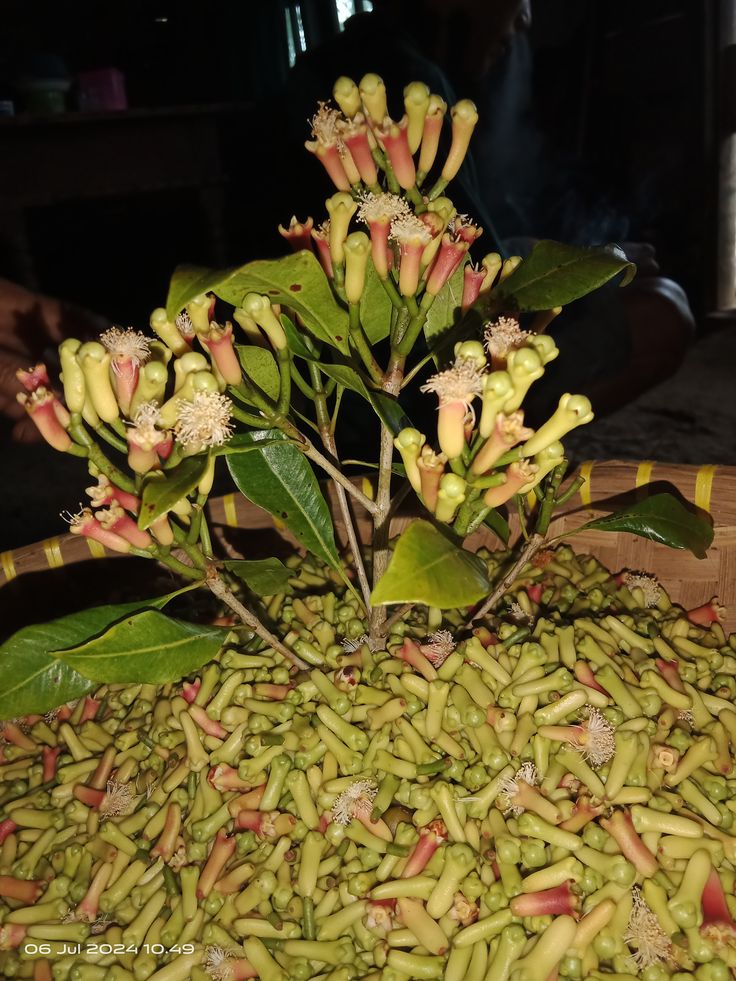
Cloves are one of the most valuable and aromatic spices produced in Sri Lanka. Known for their rich flavor, strong fragrance, and medicinal properties, cloves have played an important role in the country’s spice industry for centuries. Today, Sri Lankan cloves are highly regarded in international markets for their excellent quality and high essential oil content.
❖ Origin of Cloves in Sri Lanka
Cloves (Syzygium aromaticum) are native to the Maluku Islands of Indonesia, also known as the Spice Islands. They were introduced to Sri Lanka during the colonial era, most likely by Portuguese traders in the 16th century. The favorable tropical climate and fertile soils of Sri Lanka allowed clove trees to thrive, leading to the gradual expansion of cultivation across the island.
❖ Colonial Influence and Expansion
During the Portuguese, Dutch, and British colonial periods, spices were among the most valuable commodities traded worldwide. Recognizing the commercial potential of cloves, colonial administrations encouraged their cultivation.
The Dutch expanded spice plantations during the 17th and 18th centuries, while the British further developed agricultural systems and export infrastructure. As a result, cloves became an important export crop alongside cinnamon, pepper, cardamom, and nutmeg.
❖ Traditional Cultivation
For generations, Sri Lankan farmers have cultivated cloves in home gardens and small plantations. Clove trees require a warm, humid climate with adequate rainfall, conditions that are found in many parts of Sri Lanka.
Major clove-growing regions include:
Kandy
Matale
Kegalle
Ratnapura
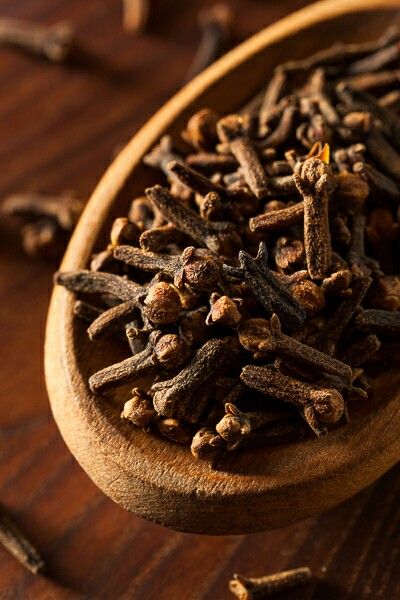
The flower buds are harvested by hand before they bloom and are then carefully dried under the sun until they develop their characteristic dark brown color.
❖ Economic Importance
Cloves contribute significantly to Sri Lanka’s spice export industry. The spice is widely used in:
Food and beverage production
Traditional medicine
Essential oil extraction
Cosmetics and personal care products
Flavoring and fragrance industries
The export of cloves provides valuable income for farmers and contributes to the country’s foreign exchange earnings.
❖ Sri Lankan Cloves in the Modern Era
Today, Sri Lanka is recognized as a producer of premium-quality cloves. The country’s cloves are appreciated for their:
High essential oil content
Strong aroma
Rich flavor
Excellent quality standards
Sri Lankan cloves are exported to markets in Europe, the Middle East, Asia, and North America, where they are used in a wide range of culinary and industrial applications.
❖ Health and Medicinal Uses
Cloves have been used in traditional medicine for centuries. They contain natural compounds with antioxidant and antimicrobial properties.
Common traditional uses include:
Supporting oral health
Relieving toothache
Aiding digestion
Supporting respiratory health
Producing essential oils for therapeutic use
❖ Conclusion
The history of cloves in Sri Lanka reflects the island’s long-standing connection to the global spice trade. Introduced during the colonial period and cultivated for generations, cloves have become an4important part of Sri Lanka’s agricultural heritage. Today, Sri Lankan cloves continue to enjoy international recognition for their exceptional quality, helping to strengthen the country’s reputation as one of the world’s leading spice-producing nations.
Request Quote Contact UsSri Lankan Black Pepper History
📌 INTRODUCTION
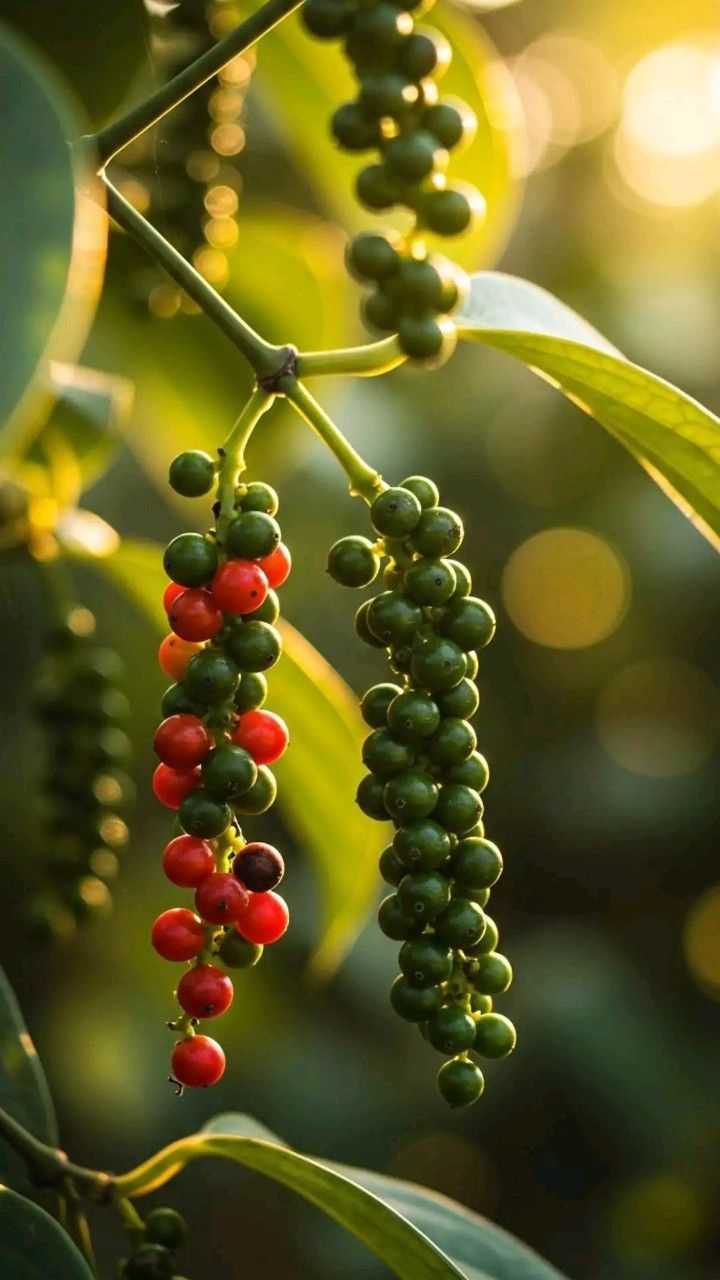
Sri Lanka has a long and rich history of cultivating black pepper (Piper nigrum), one of the world’s most valuable and widely traded spices. Known as the “King of Spices,” black pepper has been an important part of Sri Lanka’s agricultural heritage for centuries. The country’s favorable tropical climate, fertile soils, and traditional farming practices have contributed to the production of high-quality pepper that is appreciated in international markets.
🏝️ HISTORICAL BACKGROUND
The history of black pepper cultivation in Sri Lanka dates back over a thousand years. Ancient Sri Lankan kingdoms were actively involved in the spice trade, exporting valuable spices to merchants from Asia, the Middle East, and Europe. Along with cinnamon, pepper became one of the island’s most sought-after commodities.
During the medieval period, Arab traders played a significant role in introducing Sri Lankan spices, including black pepper, to global markets. Later, European colonial powers such as the Portuguese, Dutch, and British recognized the commercial value of Sri Lanka’s spice resources and expanded cultivation and trade networks.
🌍 CULTIVATION AND TRADITIONAL PRACTICES
Black pepper is mainly grown in the wet and intermediate zones of Sri Lanka. Farmers traditionally cultivate pepper as a climbing vine2supported by live trees such as gliricidia and other shade-providing species. This sustainable cultivation method has been practiced for generations and continues to be widely used today.
Pepper harvesting usually takes place when the berries begin to mature and turn slightly yellow. The berries are then carefully dried under sunlight to develop the characteristic black color, aroma, and pungent flavor that make Sri Lankan pepper highly valued.
🚢 IMPORTANCE IN TRADE
Throughout history, black pepper has been an important export product for Sri Lanka. The spice was traded along ancient maritime routes connecting Asia, Africa, and Europe. Its high demand in international markets contributed significantly to the island’s economy.
Today, Sri Lankan black pepper is exported to many countries worldwide and is recognized for its strong aroma, high essential oil content, and superior quality. The spice industry continues to support thousands of farmers and contributes to the country’s agricultural export earnings.
🌟 SRI LANKAN BLACK PEPPER TODAY
Modern pepper cultivation in Sri Lanka combines traditional knowledge with improved agricultural practices. Research institutions and government agencies work closely with farmers to enhance productivity, quality, and sustainability.
Sri Lankan black pepper remains one of the country’s most important spice exports and is widely used in food processing, culinary applications, pharmaceuticals, and traditional medicine. Its reputation for quality continues to strengthen Sri Lanka’s position in the global spice market.
📈 CONCLUSION
Black pepper has played a significant role in Sri Lanka’s history, culture, and economy for centuries. From ancient trade routes to modern international markets, Sri Lankan black pepper has maintained its status as a premium spice. With its rich heritage, exceptional quality, and growing global demand, black pepper continues to be an important symbol of Sri Lanka’s spice industry.
Sri Lankan Vanilla History
❖ Introduction
Vanilla is one of the world’s most valuable and aromatic spices, prized for its rich flavor and fragrance. In Sri Lanka, vanilla cultivation has gained importance as a high-value export crop, benefiting from the island’s tropical climate, fertile soils, and favorable growing conditions.
❖ Historical Background
Vanilla (Vanilla planifolia) is not native to Sri Lanka. It originated in Mexico and was later introduced to many tropical countries around the world. Vanilla was introduced to Sri Lanka during the colonial period, where it adapted well to the country’s warm and humid environment.Over time, Sri Lankan farmers recognized the commercial potential of vanilla and began cultivating it alongside other export crops such as cinnamon, pepper, cloves, and cardamom. The spice
❖ Cultivation in Sri Lanka
Vanilla is mainly grown in the wet and intermediate zones of Sri Lanka, where rainfall and temperature conditions are ideal. The vanilla plant is a climbing orchid that requires support trees or structuresgradually became an important specialty crop for smallholder farmers and agricultural entrepreneur for healthy growth.
One unique aspect of vanilla cultivation is that the flowers must be hand-pollinated to produce vanilla beans. This careful process requires skill and attention, making vanilla one of the most labor-intensive spices in the world.
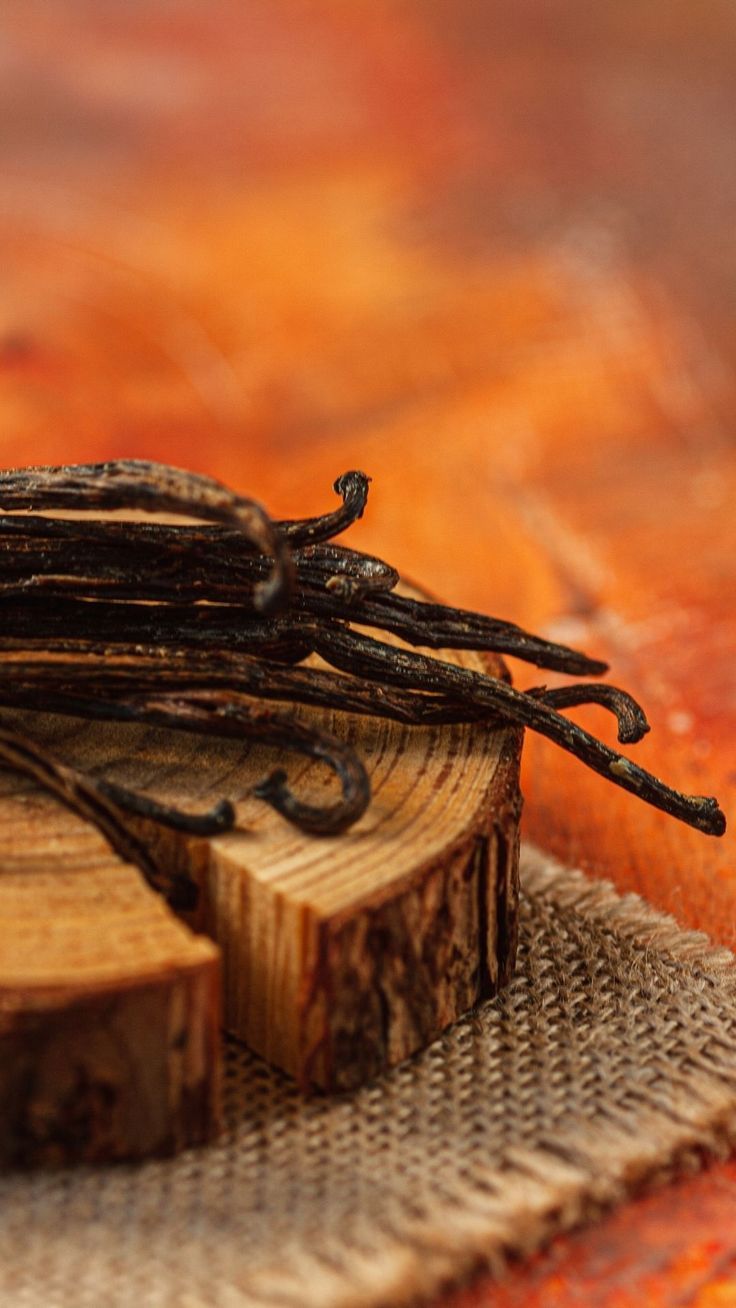
After harvesting, vanilla beans undergo a curing process that develops their distinctive aroma, flavor, and dark brown color. The curing process may take several months and is essential for producing high-quality vanilla.
❖ Economic Importance
As global demand for natural vanilla continues to increase, Sri Lanka has emerged as a producer of premium-quality vanilla beans. The spice is exported to international markets and used in the food, beverage, cosmetic, and pharmaceutical industries.
Vanilla cultivation provides additional income opportunities for Sri Lankan farmers and contributes to the diversification of the country’s spice sector.
❖ Sri Lankan Vanilla Today
Today, Sri Lankan vanilla is recognized for its excellent quality, rich aroma, and natural production methods. Many growers focus on sustainable farming practices and premium processing techniques to meet international quality standards.
With increasing global demand for natural flavors and organic products, Sri Lankan vanilla has significant potential for future growth in international markets.
❖ Conclusion
Although vanilla was introduced to Sri Lanka from abroad, it has become an important part of the country’s modern spice industry. Through skilled cultivation, careful curing, and commitmentquality,Sri Lankan vanilla has earned a reputation as a premium spice valued by consumers around the world.
Sri Lankan Nutmeg History
• INTRODUCTION
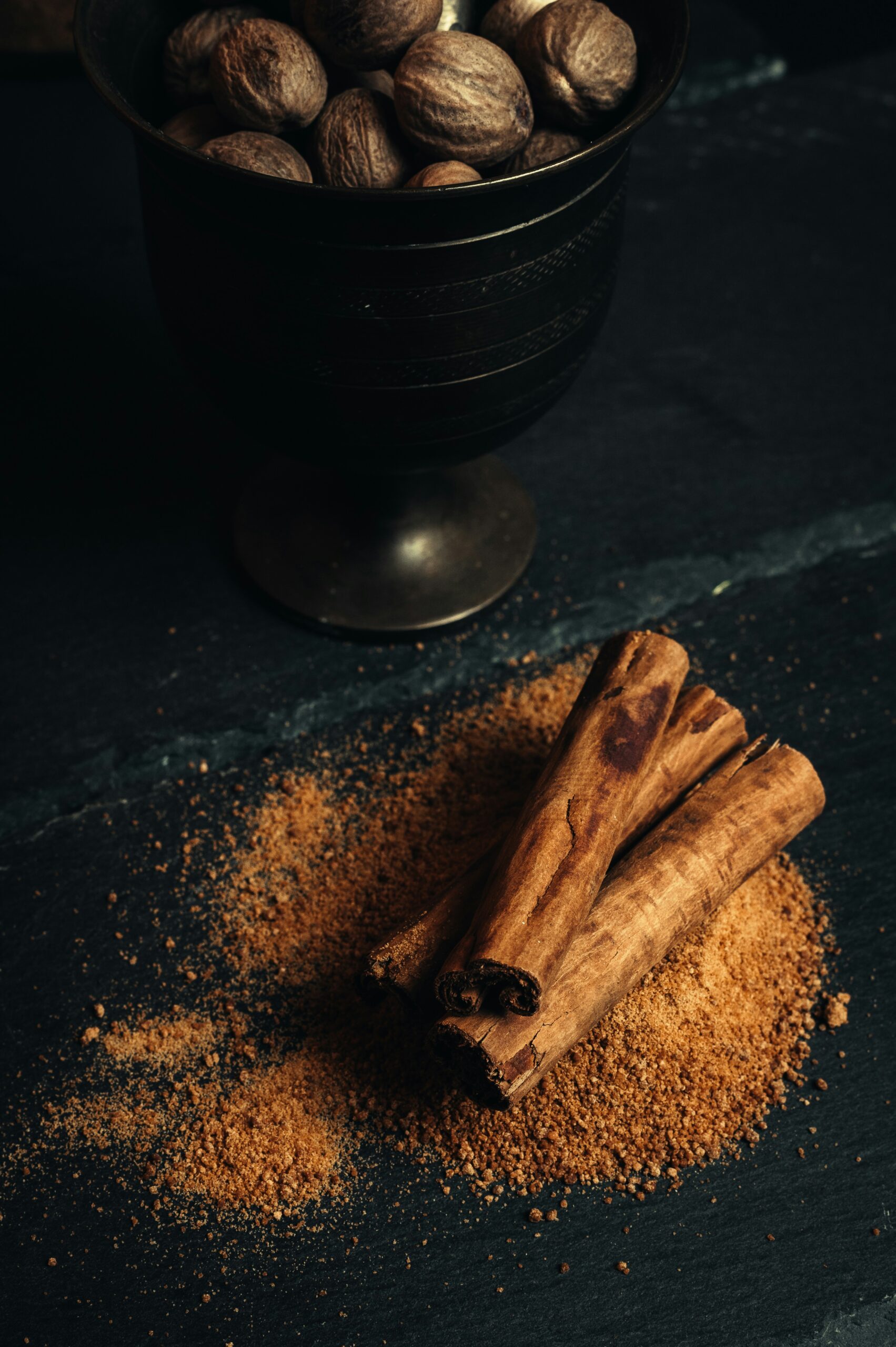
Nutmeg is one of the most valuable and aromatic spices cultivated in Sri Lanka. Derived from the tree Myristica fragrans, nutmeg is highly valued for its warm flavor, rich aroma, and wide range of culinary and medicinal uses. Sri Lanka is recognized as one of the world’s important producers of high-quality nutmeg and mace.
• HISTORICAL BACKGROUND
Nutmeg is native to the Banda Islands of Indonesia, historically known as the Spice Islands. The spice was introduced to Sri Lanka during the colonial era when European traders expanded spice cultivation throughout Asia.
Due to Sri Lanka’s tropical climate and fertile soils, nutmeg adapted exceptionally well to local growing conditions. Over time, it became an important commercial spice alongside cinnamon, pepper, cloves, and cardamom.
During the Dutch and British colonial periods, nutmeg cultivation expanded across several regions of the island, contributing to Sri Lanka’s growing reputation as a leading spice-producing nation.
• CULTIVATION IN SRI LANKA
Nutmeg is primarily cultivated in the wet and intermediate zones of Sri Lanka, where rainfall and temperatures support healthy tree growth. The nutmeg tree is evergreen and can produce fruits for several decades.
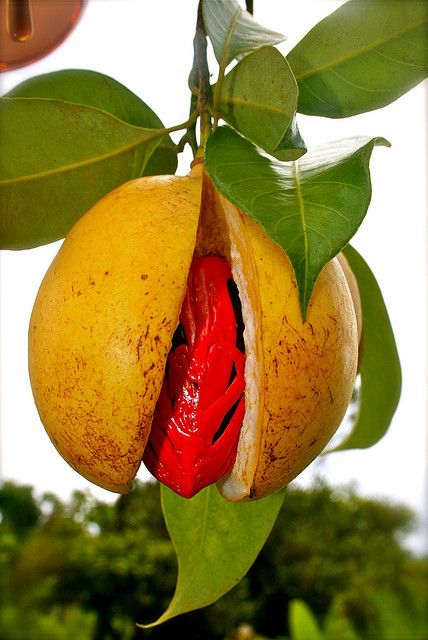
When the fruit ripens, it naturally splits open to reveal the nutmeg seed surrounded by a bright red covering known as mace. Both products are valuable spices:
Nutmeg – The dried seed used in cooking, baking, beverages, and pharmaceuticals.
Mace – The dried outer covering of the seed, prized for its delicate aroma and flavor.
Farmers carefully harvest, dry, and process both nutmeg and mace to ensure premium quality.
• ECONOMIC IMPORTANCE
Nutmeg has become an important export commodity for Sri Lanka. The country exports both whole and processed nutmeg products to international markets, where they are used in food manufacturing, confectionery, beverages, cosmetics, and traditional medicine.
The spice industry provides income for thousands of farmers and contributes significantly to Sri Lanka’s agricultural export sector.
• SRI LANKAN NUTMEG TODAY
Today, Sri Lankan nutmeg is known for its excellent quality, high essential oil content, and strong aroma. Modern cultivation combines traditional farming knowledge with improved agricultural practices to enhance productivity and sustainability.
Global demand for natural spices continues to grow, creating new opportunities for Sri Lankan nutmeg producers in international markets.
• CONCLUSION
Nutmeg has become an important part of Sri Lanka’s spice heritage since its introduction centuries ago. With favorable growing conditions, skilled cultivation, and a strong reputation for quality, Sri Lankan nutmeg continues to play a vital role in the country’s spice industry and export economy.
Request Quote Contact UsSri Lankan Coriander

Introduction
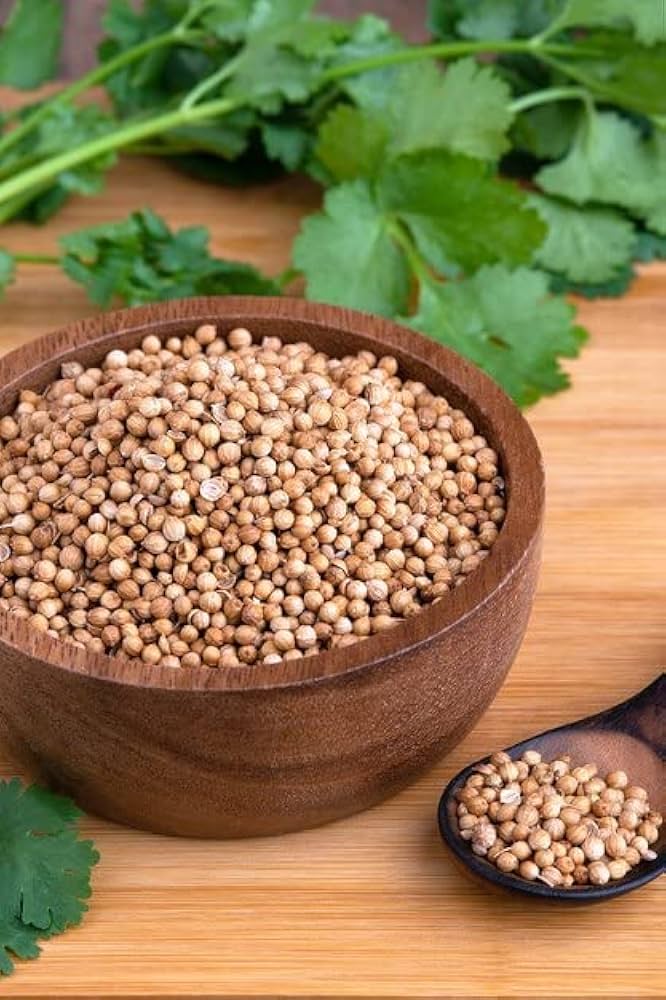
Coriander (Coriandrum sativum), locally known as “Kottamalli”, is one of the oldest and most widely used spices in Sri Lanka. It has been an important part of Sri Lankan traditional medicine, cuisine, and spice trade for centuries. Both the seeds and leaves of the coriander plant are valued for their distinctive aroma and health benefits.
Origins and Historical Background
Coriander is believed to have originated in the Mediterranean and Middle Eastern regions. Historical records suggest that it reached Sri Lanka through ancient trade routes established by Arab, Indian, and European merchants.
For centuries, Sri Lankan communities have cultivated coriander in the dry and intermediate zones, where favorable climatic conditions support its growth. The spice became deeply integrated into local culinary traditions and Ayurvedic medicine.
Cultivation in Sri Lanka
Coriander is cultivated mainly in:
Anuradhapura District
Polonnaruwa District
Monaragala District
Kurunegala District
Hambantota District
The crop thrives in warm climates with well-drained soil and moderate rainfall. Smallholder farmers primarily cultivate coriander for both domestic consumption and local markets.
Traditional Uses in Sri Lanka
1.Culinary Uses
Coriander seeds are commonly used in:
Curry powders
Roasted spice blends
Meat and seafood dishes
Traditional rice recipes
Pickles and chutneys
Fresh coriander leaves are also used as garnishes and flavor enhancers in many Sri Lankan dishes.
2.Ayurvedic and Traditional Medicine
In Sri Lankan indigenous medicine, coriander is traditionally used to:
Aid digestion
Reduce body heat
Relieve common colds and fever
Support urinary health
Detoxify the body
A popular home remedy known as Kottamalli Drink (coriander infusion) has long been consumed to relieve flu symptoms and improve overall wellness.
Economic Importance
Although coriander is not among Sri Lanka’s major export spices like cinnamon and pepper, it contributes significantly to the country’s spice industry. It is widely used by:
Spice processors
Food manufacturers
Ayurvedic medicine producers
Retail spice markets
Local consumers
The increasing global demand for natural spices and herbal products creates opportunities for Sri Lankan coriander producers to expand into international markets.
Cultural Significance
Coriander has long been associated with Sri Lankan household traditions. For generations, families have prepared Kottamalli herbal beverages during periods of illness, especially for colds and fevers. Its use reflects the island’s rich heritage of combining food and natural remedies.
Modern Developments
Today, Sri Lanka continues to promote sustainable spice cultivation and value-added spice products. Coriander remains an essential ingredient in the country’s culinary heritage and traditional healthcare practices, preserving a legacy that has been passed down through generations.
Conclusion
Sri Lankan coriander, known locally as Kottamalli, has played an important role in the island’s history, cuisine, and traditional medicine for centuries. From ancient trade routes to modern spice industries, coriander continues to represent the rich agricultural heritage and cultural traditions of Sri Lanka, making it an enduring component of the nation’s spice legacy.
Request Quote Contact UsSri Lankan Tumeric
🌿 Turmeric History & Overview
Turmeric is a bright yellow-orange spice obtained from the rhizome of the plant Curcuma longa, which belongs to the ginger family. It has been used for thousands of years in Asia, especially in India and Sri Lanka, for culinary, medicinal, and cultural purposes.
📜 Historical Background
Turmeric has a long and rich history dating back over 4,000 years. It was first cultivated in the Indian subcontinent and later spread to other parts of Asia through trade routes. Ancient Ayurvedic and traditional Chinese medicine systems highly valued turmeric for its healing properties.
In Sri Lanka, turmeric has been used not only as a cooking spice but also in traditional rituals and herbal medicine. It is considered a sacred ingredient in many cultural ceremonies.
🌱 Cultivation in Sri Lanka
Sri Lanka’s tropical climate provides ideal conditions for turmeric cultivation. It is mainly grown in home gardens and small-scale farms. The plant requires warm temperatures, rainfall, and well-drained soil.
💛 Uses of Turmeric
Cooking spice in curries and rice dishes
Natural coloring agent
Ayurvedic medicine for inflammation and digestion
Cosmetics and herbal treatments
Cultural and religious ceremonies
🧪 Health Benefits
Turmeric contains an active compound called curcumin, which is known for its powerful anti-inflammatory and antioxidant properties. It may help support joint health, digestion, and overall immunity.
🌍 Global Importance
Today, turmeric is widely used around the world in food, medicine, and wellness industries. It is one of the most important spices in global spice trade.
Request Quote Contact Us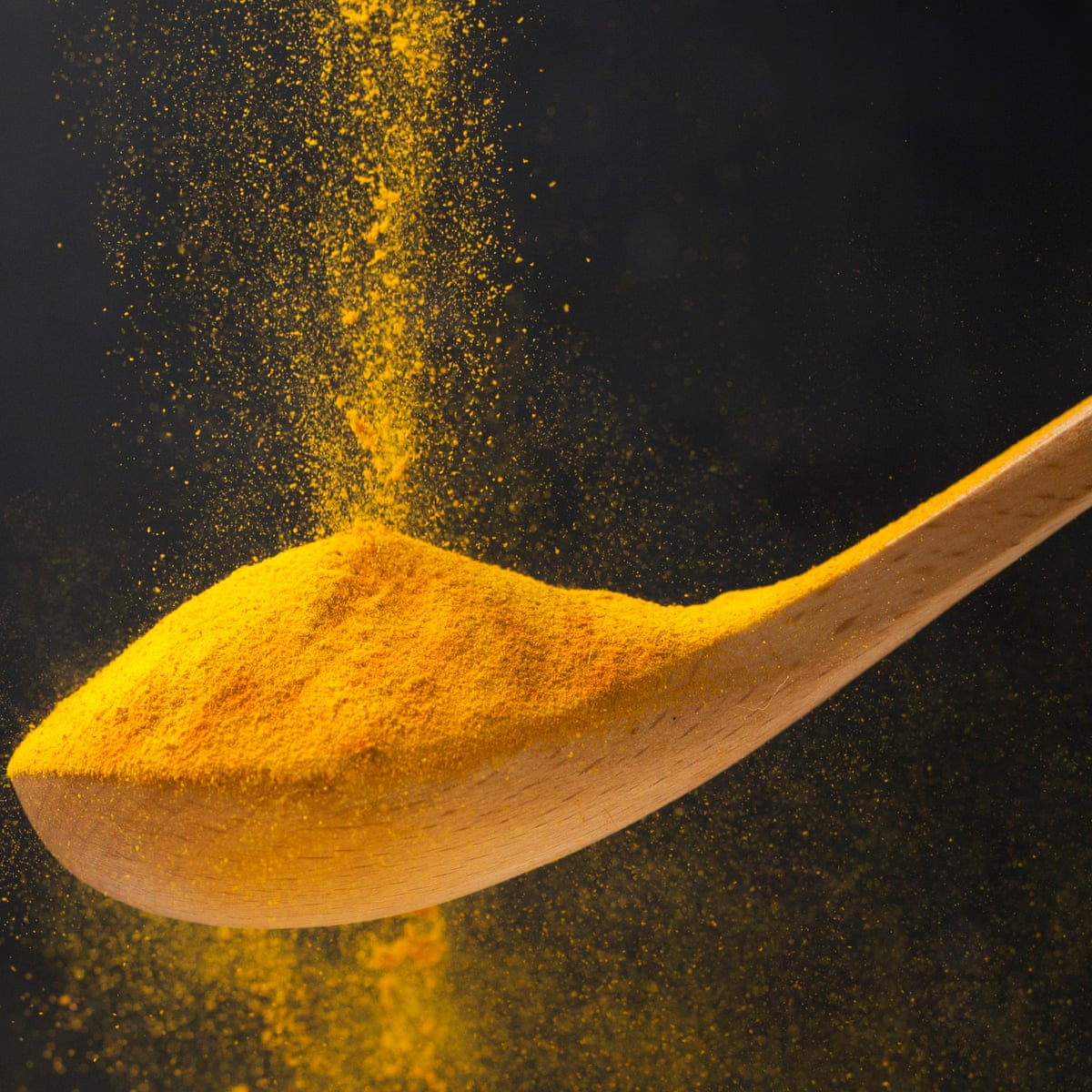
Sri Lankan Cardamom
🌿 History of Sri Lankan Cardamom
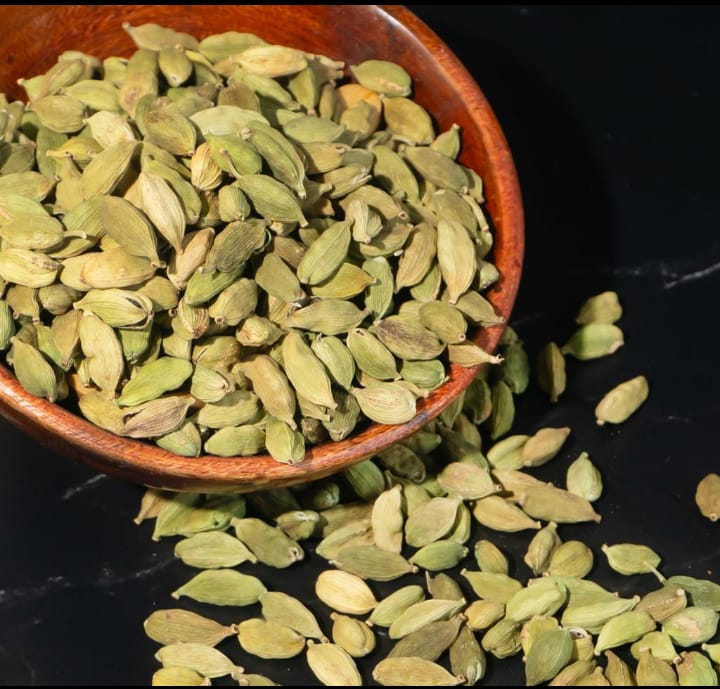
Cardamom, known as the “Queen of Spices,” has been grown in Sri Lanka for many centuries. Although it is not native to Sri Lanka, it was introduced from South India and adapted well to the wet, mountainous regions of the country, especially in the central highlands
📍 Introduction to Sri Lanka
Cardamom cultivation in Sri Lanka began during the colonial period, mainly under the influence of the Portuguese, Dutch, and British. The British expanded spice plantations in the hill country areas such as Kandy, Matale, and Nuwara Eliya, where the climate was suitable for cardamom growth.
🌱 Cultivation History
Sri Lanka’s cardamom is mainly grown in shaded forest-like environments. Farmers used traditional agroforestry methods, growing cardamom under natural tree cover. This method helped maintain soil fertility and biodiversity.
During the 19th and 20th centuries, cardamom became an important export crop along with tea, cinnamon, and cloves.
💰 Economic Importance
Cardamom became a valuable export spice, contributing to Sri Lanka’s spice trade industry. Although production is smaller compared to countries like India and Guatemala, Sri Lankan cardamom is known for its strong aroma and high quality.
🌍 Modern Era
Today, cardamom is still cultivated in small-scale plantations in Sri Lanka. It remains an important cash crop for rural farmers and is used in both local cuisine and international spice markets.
Conclusion
Sri Lankan cardamom has a rich agricultural history influenced by colonial trade and traditional farming systems. Even though production is limited, it remains a premium-quality spice in the global market
Request Quote Contact UsSri Lankan Sesame Seed
🌿 History of Sesame Seed
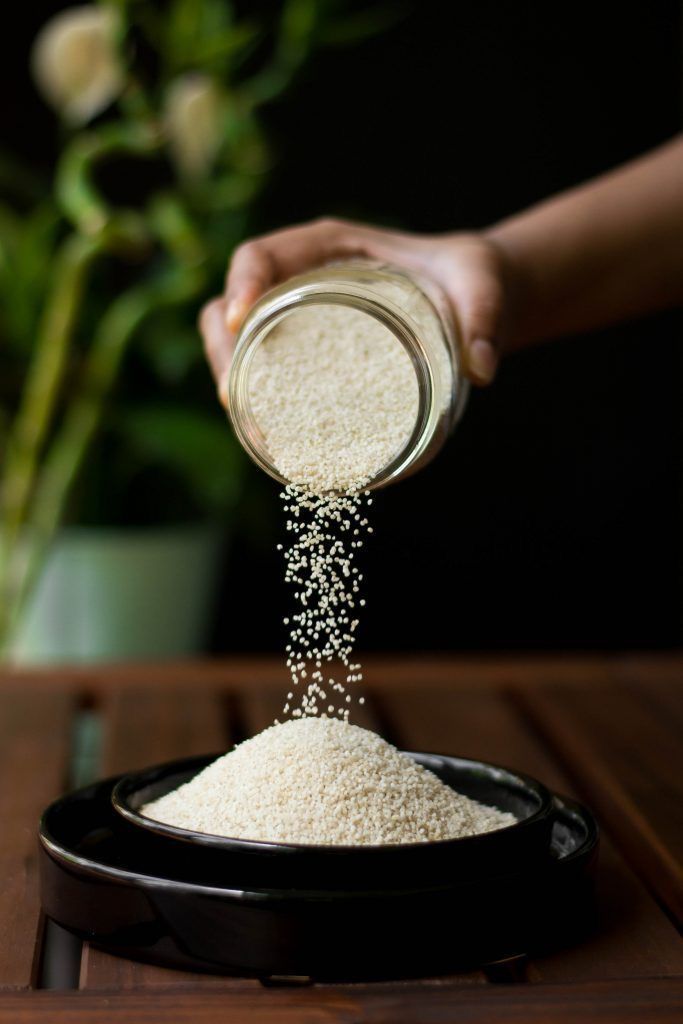
Sesame seed (Sesamum indicum) is one of the oldest oilseed crops known to humanity, cultivated for more than 5,000 years. It is believed to have originated in Africa or the Indian subcontinent, and later spread across Asia, the Middle East, and the rest of the world through ancient trade routes.
📜 Ancient History
Sesame was first domesticated around 3500–3000 BC, making it one of the earliest crops used for oil production. Ancient civilizations such as the Indus Valley, Mesopotamia, and Egypt used sesame seeds for food, oil, and medicinal purposes.
In ancient Egypt, sesame seeds were recorded in medical texts and used for healing and cooking. In Mesopotamia, sesame oil was highly valued and used as a major cooking and lighting oil.
🌍 Spread Around the World
From its early cultivation regions, sesame spread to:
China (used over 4,000–5,000 years ago)
India (major center of cultivation and trade)
Africa (traditional food and oil source)
Middle East (widely used in cuisine like tahini)
Trade routes helped sesame become a global crop used in both traditional and modern food industries.
🌱 Cultivation & Characteristics
Sesame is a drought-resistant plant that grows well in tropical and subtropical climates. It produces small seed pods that burst open when mature, releasing tiny seeds.
Because of this natural “opening” feature, it is linked to the famous phrase “Open Sesame” from ancient stories.
🥗 Uses of Sesame Seed
Cooking oil (sesame oil)
Baking and confectionery (bread, sweets)
Tahini and sauces
Traditional medicine (Ayurveda & herbal medicine)
Cosmetics and skincare products
💛 Importance Today
Today, sesame is a major global oilseed crop grown in countries like India, Sudan, Myanmar, and Tanzania. It is valued for its high oil content, nutrition, and health benefits.
Sri Lankan Ginger– History and Heritage
❖ INTRODUCTION
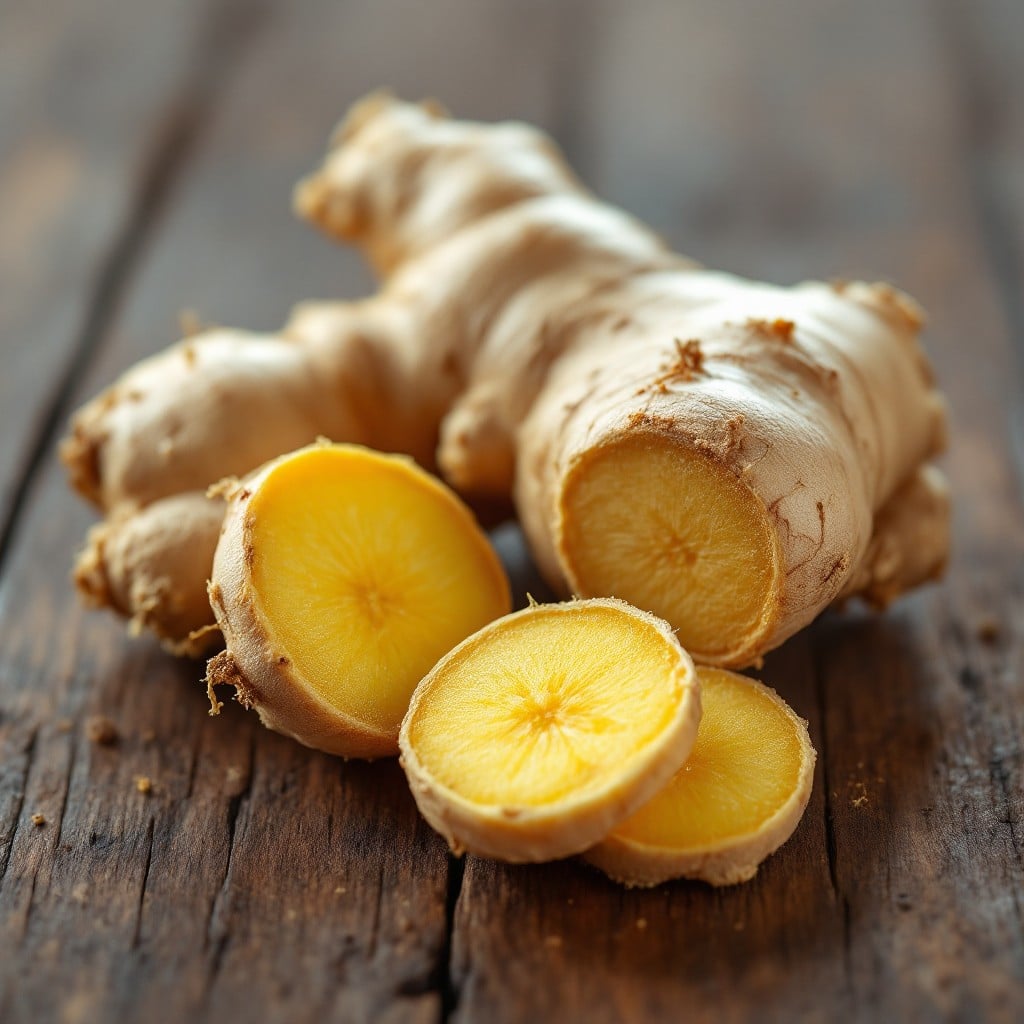
Ginger (Zingiber officinale), locally known as “Inguru”, is one of the oldest and most valued spices cultivated and used in Sri Lanka. Renowned for its distinctive flavor, aroma, and medicinal properties, ginger has played an important role in Sri Lankan cuisine, traditional medicine, and cultural practices for centuries.
❖ ORIGINS AND HISTORICAL BACKGROUND
Ginger is believed to have originated in South and Southeast Asia and has been cultivated for thousands of years. Due to Sri Lanka’s strategic location along ancient maritime trade routes, ginger became an important spice traded by Arab, Indian, Chinese, and later European merchants.
Historical records indicate that ginger was widely used in ancient Sri Lankan households and traditional Ayurvedic medicine. Over generations, it became an essential ingredient in both culinary and medicinal preparations across the island.
❖ TRADITIONAL USES IN SRI LANKA
1. Culinary Uses
Ginger is widely used in Sri Lankan cuisine for its unique flavor and aroma. It is commonly added to:
Curries and gravies
▪Rice dishes
▪Meat and seafood preparations
▪Spice blends and seasonings
▪Pickles and chutneys
▪Herbal teas and beverages
▪Fresh and dried ginger are both commonly ▪used in everyday cooking.
2. Ayurvedic and Traditional Medicine
In Sri Lankan traditional medicine, ginger has long been valued for its healing properties. It is traditionally used to:
▪Aid digestion
▪Relieve nausea and indigestion
▪Reduce cold and flu symptoms
▪Improve blood circulation
▪Support respiratory health
▪Strengthen the immune system
Ginger tea and herbal infusions are popular remedies used throughout Sri Lanka.
❖ CULTIVATION IN SRI LANKA
Ginger is cultivated mainly in:
▪Kandy District
▪Matale District
▪Kurunegala District
▪Kegalle District
▪Badulla District
▪Monaragala District
The crop grows well in tropical climates with fertile, well-drained soils and adequate rainfall. Most ginger cultivation in Sri Lanka is carried out by smallholder farmers.
❖ ECONOMIC IMPORTANCE
Ginger contributes significantly to Sri Lanka’s spice and herbal product industries. It is widely utilized by:
Spice exporters
Food processing companies
Beverage manufacturers
Ayurvedic medicine producers
Retail spice markets
The increasing international demand for natural and organic spices presents opportunities for Sri Lankan ginger producers to expand into global markets.
❖ CULTURAL SIGNIFICANCE
Ginger has been a part of Sri Lankan traditions for generations. Herbal drinks prepared with ginger are commonly consumed during cold weather and periods of illness. The spice is also associated with the country’s long-standing heritage of natural remedies and healthy living.
❖ MODERN DEVELOPMENTS
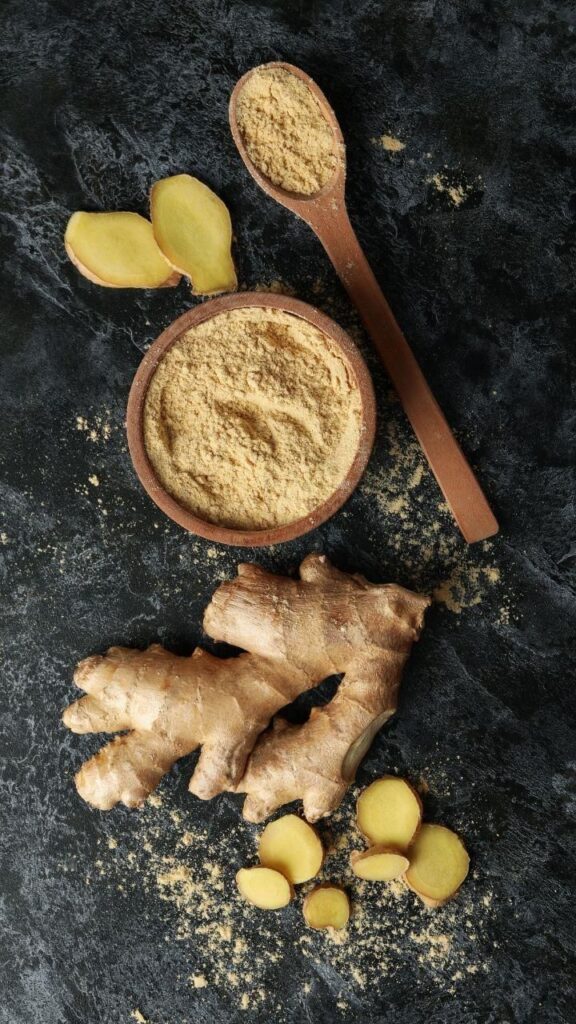
Today, Sri Lanka continues to promote sustainable agriculture and value-added spice products. Ginger is increasingly processed into powders, herbal teas, extracts, essential oils, and wellness products for domestic and international markets.
❖ CONCLUSION
Sri Lankan ginger, known locally as Inguru, has been an integral part of the island’s culinary traditions, traditional medicine, and agricultural heritage for centuries. From ancient trade routes to modern wellness industries, ginger continues to symbolize Sri Lanka’s rich spice legacy and its commitment to natural health and sustainable cultivation.